DECLARATION OF CORPORATE GOVERNANCE PRINCIPLES AND COMPLIANCE REPORT
SECTION I: DECLARATION OF COMPLIANCE WITH CORPORATE GOVERNANCE PRINCIPLES
In 2018, full compliance was achieved with the applicable compulsory principles of the Corporate Governance Communiqué II-17.1 while compliance was achieved with most of the noncompulsory principles.
Although the aim is to achieve full compliance also with the noncompulsory Corporate Governance Principles, full compliance has not yet achieved due to reasons such as; difficulties in practicing some of the principles, continuing evaluations in our country and on international platform about complying with some of the principles, some of the principles not fully matching with the existing structure of the market and our Company. The process regarding the principles, which have not yet been adopted, is in progress and they are scheduled for adoption following the completion of managerial, legal, operational and technical infrastructure works in a manner to assist the Company in effective management. Comprehensive activities carried out within our company within the scope of the Corporate Governance Principles, and principles that was not complied with in relevant departments and conflicts of interest (if any) arising for this reason, are explained below.
In 2018, Corporate Governance activities were carried out particularly to achieve compliance with the Capital Markets Law that includes the new regulations of Capital Markets Board of Turkey (CMB) about Corporate Governance Principles, and with the Communiqués based on this Law. Within this context, our Board of Directors and our Committees were formed in line with the requirements in the Corporate Governance Communiqué and the Board of Directors’ Committees so set up pursue their activities efficiently.
Board of Directors’ and executive managers’ remuneration policy was determined and presented for the shareholders’ information at the General Assembly. With the informative document prepared for the General Assembly; (i) General Assembly information (that must be announced according to the principles) such as privileged shares, rights to vote, organizational changes, (ii) résumés of the candidate Members of the Board of Directors, (iii) Board of Directors’ and executive managers’ remuneration policy, (iv) necessary reports that must be prepared and necessary information that must be announced regarding the related party transactions, were presented for the information of our shareholders and investors 3 weeks in prior the General Assembly. Furthermore, our Company’s corporate website and Annual Report were reviewed, necessary revisions were made in order to achieve full compliance with the principles.
In the upcoming period, developments in the legislation and practices will be taken into account and necessary activities will be carried out in order to achieve compliance with the Principles.
Within the scope of the Compulsory Corporate Governance Principles, in the context of exceptions in practicing the Corporate Governance principles – as per the first paragraph of the 6th Article of the Corporate Governance Communiqué; our Company’s status is a “joint venture” (JV) composed of “two juridical persons” who “equally control the management with an agreement” while the number of the independent members of the Board of Directors is “two” in line with this regulation. With the CMB decision n.5/129 (date: 16.02.2012) approval was received for that it was sufficient to determine the number of the independent members of the Board of Directors as 2 (two).
Furthermore; as per Article 5 paragraph 6 of the said Communiqué, nominees for independent membership on the Board of Directors were determined in conformity with the requirement that reads “It is sufficient that [...the principle.....] is met by at least half of the independent members “ with respect to the criterion of “being considered a resident in Turkey in accordance with the Income Tax Law” as specified in paragraph (d) of the first clause of the compulsory principle numbered 4.3.6, and necessary permission has been obtained from the CMB. Along this line, the necessary consent has been received for the Board of Directors’ independent member nominees with the CMB decision no. 29833736-110.07.07-E.1225 and dated 02.02.2018, and the independent members were elected at the General Assembly as at 15 March 2018 for a one-year term of office.
The implementation of Corporate Governance Principles has a decisive and ever-increasing importance for the Company as a result of the developments in Capital Markets and as a dynamic process. The Company continues its efforts to adopt corporate governance as a corporate culture by adopting the Corporate Governance Principles issued by the CMB, making the necessary improvements and regulations based on current conditions on areas that require adoption and making the necessary changes. We integrate sustainability into our corporate governance practices in accordance with the principles of transparency, accountability, fairness and responsibility, as described in the Corporate Governance Communiqué.
Following suit of previous years, our activities were meticulously carried on in 2018 by keeping a close eye on the changes made in the legislation or capital market regulations, and in line with our Company’s corporate governance activities.
Within the framework of our corporate governance practices, our corporate governance rating was revised once periodically by the corporate governance rating firm SAHA Kurumsal Yönetim ve Kredi Derecelendirme Hizmetleri A.Ş. Within the scope of the Corporate Governance Rating Report issued on 2 November 2018 upon review of 2018 operations, our rating score was upgraded once again and declared as 9.20 (92.04). The rating report can be reviewed on our Company website.
Due to reasons also mentioned above, full compliance has not yet been achieved with the non-compulsory Corporate Governance Principles specified below. Detailed information regarding the issue is presented in the relevant sections below. Our Company is not exposed to any conflicts of interest by reason of failure to fully comply with the non-compulsory principles.
Regarding principle no. 1.4.2, privileges listed below in section 2.4 were specified in our Articles of Association.
Regarding principle no. 1.5.2; our Articles of Association do not stipulate minority rights for those who hold less than one twentieth of the capital, and thus rights were provided within the framework of the general regulations in the legislation.
Regarding principle no. 4.3.9; there is no target ratio and time set for the ratio of female members on the Board of Directors, and evaluation of the matter continues. Detailed information regarding the issue is given in section 5.1. below.
Regarding principle no. 4.4.5; the Company has in place long-standing and consistently implemented processes related to how the Board of Directors meetings will be held; however, there is no internal written regulation specific to this matter.
Regarding principle no. 4.4.7, there are no restrictions for the members of the Board of Directors to assume duties outside the company as stated in section 5.1. below.
As per principle no. 4.5.5., board members are assigned to committees based on their knowledge and experience levels and in accordance with applicable regulations. Some board members serve on multiple committees. Board members, who serve on multiple committees, are responsible for ensuring communication and cooperation between committees that oversee areas related to each other.
Regarding principle no. 4.6.1; there has been no specific initiative aimed at performance evaluation at the Board of Directors level.
Regarding principle n. 4.6.5: remuneration of the Members of the Board of Directors and managers who have administrative responsibilities is disclosed collectively in parallel to the common practice in the footnotes of our financial statements and at the General Assembly meetings.
Our Company has espoused a sustainable approach to governance by ensuring a broad-based establishment of the corporate governance concept as a dynamic process and corporate culture, in line with the implementation of Corporate Governance Principles. Additionally, in case of a significant change during the period, such change will be included in the interim activity report.
2018 Corporate Governance Compliance Report (CRF) and Corporate Governance Information Form (CGIF) of Tofaş Türk Otomobil Fabrikası A.Ş., which will be prepared according to the new reporting formats as per the CMB decision no. 2/49 dated 10 January 2019 will also be separately disclosed on the Public Disclosure Platform (KAP) within due time deemed appropriate by the CMB.
SECTION II- SHAREHOLDERS
2.1 Investor Relations Department
Our Company’s Financial Director, and the Financial Risk Management and Investor Relations Unit, Accounting Unit and Legal Counseling Unit, organized under the Financial Directorate, are assigned with the performance of the duties stipulated under Article 11 of the CMB’s Corporate Governance Communiqué no. II-17.1.
During the reporting period, Mr. Fabrizio Renzi has been appointed as Chief Financial Officer (CFO) to succeed Mr. Stefano Reganzani who left his position as Chief Financial Officer (CFO) as of 30 March 2018 due to being appointed to another position within the FCA Group. Mr. Fabrizio Renzi has been assigned as Corporate Governance Committee member to replace Mr. Stefano Reganzani who was a at the same serving as a member of the Corporate Governance Committee. The functions of the Investor Relations Unit are performed by Mr. Erman Tütüncüoğlu, Financial Risk and Investor Relations Manager, and Mr. Devran Aydın, Accounting Manager, who report to Mr. Fabrizio Renzi, CFO. Mr. Devran Aydın, Accounting Manager, holds the licenses that are required by the related Communiqué.
Along this line, as of 2018, the duties set forth under Article 11 of the Corporate Governance Communiqué are being fulfilled by Mr. Erman Tütüncüoğlu and Devran Aydın under the supervision of the Company’s Financial Director, Mr. Fabrizio Renzi. In the Corporate Governance Committee, which functions within the frame of the operating principles set out by our Board of Directors, Mr. Fabrizio Renzi serves in addition to the existing members. Working under the title Accounting Manager and Investor Relations Executive in the Department, Mr. Devran Aydın holds Capital Markets Advanced Level License (Capital Market Activities Level 3 Certificate) and Corporate Governance Rating License. Mr. Erman Tütüncüoğlu, Financial Risk and Investor Relations Manager, holds Capital Market Activities Level 3 License.
Within the scope of the considerations stipulated in Article 11 of the CMB Corporate Governance Communiqué, Investor Relations Department Report was prepared regarding the activities carried out in 2018, and was presented to the Board of Directors as of 07.02.2019 after it was discussed in the Corporate Governance Committee.
Within this framework; the Risk Management and Investor Relations Unit held 311 meetings with investors and analysts, 4 webcasts, 49 teleconferences about our Company. 5 overseas investor conferences and 2 domestic investor conferences were attended and existing and potential investors were contacted and informed about the latest developments. As of the end of 2018, 81% of the Company’s publicly-floated shares were being held by foreign investors.
The General Assembly meeting, which was organized during the reporting period within the frame of shareholder relations, was convened as per the legislation in force via Electronic General Meeting System (e-GEM). The meeting, announcements and records regarding the meeting were organized in conformity with the capital market regulations, the Company’s Articles of Association and other internal regulations.
Relevant procedures concerning the activities of the Committees under the Board of Directors are monitored and records are kept. The issues including public disclosures, responds to shareholders’ and investors’ information requests are handled and monitored, and material event disclosures are made through the Company’s corporate website, such portals as e-Company and e-Governance, and PDP within the scope of the Capital Market legislation.
In addition to the above, as stated in the Declaration of Compliance section above, the Company’s corporate governance rating was revised upwards to 9.20 (92.04%) upon the annual periodic review performed.
During the reporting period, 25 material event disclosures were released; disclosures of an important nature for the investors, along with their translations into the English language, were posted on the corporate website as well as on PDP. In 2018, 250 queries were received from shareholders in writing or via telephone, and information continued to be provided as necessary. While queries were mostly concerned with financial statements, sales performance, projections, there were requests for annual reports and sustainability reports. Moreover, necessary responses were given to information requests regarding capital market regulations.
2.2. Exercising Shareholders’ Right to Information
No discrimination is made among the shareholders in exercising the right to obtain and review information while all information that does not interfere with trade secrets is shared with the shareholders. Under the scope of Financial Directorate, questions sent to Budget, Planning and Commercial Control Unit, Financial Risk Management and Institutional Investor Relations Unit and Accounting Unit, that do not interfere with confidential information and trade secrets are answered either in writing or on the phone by the highest level person relevant with the issue according to the Company’s information policy. As explained in section 3.1 in this report, all information and announcements that may have impact on using shareholders rights are available on the corporate website.
During the reporting period, maximum efforts were spent to ensure information flow within the frame of necessary activities and relevant implementations under the Company’s Disclosure Policy, as well as for the purpose of fulfilling shareholders’ information requests. Although the Articles of Association do not stipulate appointment of a special auditor as an individual right, any shareholder may request from the general assembly of shareholders that certain events be clarified through a special audit pursuant to Article 438 of the Turkish Commercial Code, to the extent that the same is necessary for exercising shareholding rights and provided that the right to information and review has been exercised in advance. No such request has been received from the shareholders to date.
Regarding the audit of other issues stipulated in the legislation, our Company implements the relevant provisions of the Turkish Commercial Code and Capital Market legislation. In addition to internal audit and internal control practices, our Company is audited by its two main partners, Koç Holding and FCA Italy S.p.A. Furthermore; Company activities are periodically audited by the Independent Auditor designated at the General Assembly.
As stated in Section 2.1 above, as of the end of the reporting period, Financial Risk and Investor Relations Manager Mr. Erman Tütüncüoğlu from the Financial Risk and Investor Relations Unit can be contacted via email at [email protected] or via phone at ext. 2751 on (0212) 275 33 90 (pbx), or Accounting Manager and Investor Relations Executive Mr. Devran Aydın from the Accounting Unit can be contacted via email at [email protected] or via phone at ext. 2754 on (0212) 275 33 90 (pbx) within the scope of “Investor Relations Department” activities for requesting information.
Our Company’s shareholders can also reach the Unit executives through the Headquarters phone numbers to convey their information requests, and they may also do so by sending an email to the corporate account [email protected].
2.3. General Assembly Meetings
During the reporting period, Ordinary General Assembly Meeting of Shareholders was held on 15 March 2018 at the Company’s Headquarters at Büyükdere Caddesi Tofaş Han No: 145 Zincirlikuyu 34394 Şişli – İstanbul. The announcements for the invitation to the General Assembly Meeting, including all necessary details were published on the company’s website at www.tofas.com.tr, e-GEM and e-Company portals of the Central Registry Agency (MKK), and on PDP as well as being promulgated in the Turkish Trade Registry Gazette within the legally due time. In addition, written notices were sent to privileged shareholders who are registered in the Shareholders Ledger.
Moreover, anyone wishing to attend the General Assembly Meeting as a viewer was welcomed, in line with the goal of securing attendance of stakeholders, media members, and all stakeholders in general. In this framework, media members, experts from various intermediary institutions and banks, along with officials from related associations, nongovernmental organizations and rating firms attended the said General Assembly Meeting.
The General Assembly Meeting was also broadcast live through MKK and e-GEM, and a list of those attending via electronic means was prepared, as well as a list of physical participants.
The lists of physical and electronic attendants to the Ordinary General Assembly Meeting of 15 March 2018 reveal that 504 shareholders in total were included in the lists.
In this frame, procedure of general meeting is made to ensure the utmost presence of the shareholders and the minutes of such meetings shall be accessible in writing or electronically at all times. Any measure aimed at increasing the efficiency of the meeting is taken in accordance with the legislation. All measures necessary to provide the required functionality of the General Assembly are taken.
The most natural rights of our shareholders in the General Assembly Meetings are asking questions and raising their opinions, which are shown the utmost respect. Therefore, the right of the Shareholders to ask questions in the General Assembly or make suggestions about the Agenda items, or to deliver speeches regarding their suggestions and current matters is provided by the Board and the required records are kept as per the requirements.
In this context, written and oral suggestions made by the shareholders to the Meeting Chairmanship about various topics at the General Assembly are added to the Minutes of the General Assembly Meeting, which are also posted on the Company’s Internet address (website). In 2018, no questions were raised for which written responses were demanded. Furthermore, shareholders did not give any proposals for the agenda. In addition to this, records in the Meeting Minutes for the shareholders’ negative votes (if any) against any of the agenda items are available in the General Assembly documents on www.tofas.com.tr.
All the Minutes of Ordinary and Extraordinary General Assembly Meetings and Lists of Attendants for previous years can be found and reviewed at the Company Headquarters, as well as in the archives of the Turkish Trade Registry Gazette retained at the Istanbul Trade Registry Office. Furthermore, the Minutes of General Assembly Meetings and other relevant documents for the last 5 years can be accessed and reviewed from the Company’s corporate web site (www.tofas.com.tr) in “pdf” format.
In 2018, there were no instances where the affirmative votes of the majority of independent Board members were required for passing a Board of Directors decision, which had to be referred to the General Assembly because of the negative votes cast by independent Board members.
At the Ordinary General Assembly meeting held in 2018, information about the donations and charitable grants made in 2017 was presented under a separate agenda item and the limit for donations that can be made in 2018 was set as 0.2% (two thousandth) of the revenues derived in the previous year while no changes were made in the Donations Policy.
In case the shareholders (who control the management of the Company), Board of Directors’ members, managers who have administrative responsibilities, and their spouses and blood relatives and relatives by marriage up to second-degree make any important transaction with the Bank or its associate companies which may lead to conflicts of interest, or in case, the aforementioned persons make any transaction, related to a commercial business that is within the scope of the corporation or its associate companies’ field of activity, for their own account or for the account of others or if they become unlimited partners in other companies carrying out similar commercial businesses; permission was given by the General Assembly – within the framework of the 395th and 396th Articles of the Turkish Code of Commerce – for such transactions and transactions performed within the Company’s field of activity by persons (on behalf of themselves) who have access to company information apart from the ones mentioned above. Some of our Company’s controlling shareholders, Board Members, managers who have administrative responsibilities, and their spouses and blood relatives and relatives by marriage up to second-degree serve as board members or executives at some of the Koç Group and the Fiat Group companies, including those that engage in business areas similar to our Company’s business areas. In 2018, no major transactions leading to conflict of interest took place between related parties and the public company and its subsidiaries.
An extraordinary general meeting was not convened in 2018.
2.4. Rights to Vote and Minority Rights
At the General Assembly, there is one right to vote for each share, but there are no privileges in right to vote. Shareholders attending the General Assembly meeting use their rights to vote in proportion to the nominal value of the total shares. However, Members of the Board of Directors must be elected from among the candidates who will be nominated by the Privileged Shareholders of Group A and D. (10th Article of the Articles of Association). This issue is legally confirmed due to the fact that our Company’s status is a “business partnership” (joint venture) composed of “two juridical persons” who “equally control the management with an agreement”.
Voting rights are exercised as per the provisions contained under the Articles of Association. The regulations of the CMB on voting by proxy are observed. The Company’s Articles of Association do not grant minority rights to those holding less than one twentieth of the capital, and rights are provided within the framework of the general regulations in the legislation.
In case of mutual participation, sovereign shareholder is not possible. The Articles of Association do not contain any provision for the representation of minority shares in the management or cumulative voting method. Due to voluntary application matter and non-planning for sovereign shareholding by the major shareholders as per the Capital Markets Legislation, provision on quorum was not applied for the existing General Assembly (Article 14 of the Articles of Association).
Transactions related to shareholders are based strictly on the principles of equality in transactions in accordance with the regulations, and our Company pays the utmost attention to this by providing the necessary arrangements.
2.5. Dividend Rights
There is no privilege regarding participation in Company profit or allocation of dividends. Dividends are distributed equally regardless of the whole current shares or their dates of issuance and acquisition.
Our Company’s Dividend Policy is available in the Company’s Annual Report and on the corporate website; also, the Dividend Policy covering matters related to dividend distribution has been laid down for the approval of the General Assembly, and the General Assembly Meeting Minutes incorporate the fact that it has been ratified. Accordingly, profit distribution is made as per the provisions of the Turkish Commercial Code, Capital Market regulations, Tax Regulations, other applicable legislation and the article concerning profit distribution of the Articles of Association. A balanced and consistent policy between the shareholders’ and Company’s interests is pursued in profit distribution in line with the Corporate Governance Principles; in principle, the net distributable profit for the period is calculated as per the Capital Market regulations by taking into account the market projections, the Company’s long-term strategies, investment and financing policies, profitability and cash status, and the maximum amount of cash dividends and/or bonus shares are distributed to our shareholders, so long as it can be covered from our financial records, and to the extent permitted by the applicable regulations and financial means. Furthermore, within the scope of this Profit Distribution Policy, the aim is to make profit distribution within maximum one month after the General Assembly meeting while the profit distribution date is decided by the General Assembly. The General Assembly or the Board of Directors, in case authorized by the General Assembly, may decide to distribute dividends with installments in conformity with the Capital Market Regulations.
According to the Articles of Association of the Company; the Board of Directors, provided that it is authorized by the General Assembly and it complies with the Capital Markets Regulations, may make advanced dividend payment.
2.6. Transfer of Shares
Article 8 of the Articles of Association “Transfer of Shares and Establishment of Usufruct on Shares” stipulates the provisions to be applied regarding the sale and transfer of registered shares of Issues A and D and there are restrictions on transfer of shares subject to the said rules and arrangements. This features the protection of the existing rights of the dominant shareholders and the limitation of the transfer of shares to any automobile manufacturer or to companies that are controlled indirectly.
CMB regulations are applicable for transferring Company’s publicly traded Group E registered shares.
SECTION III - PUBLIC DISCLOSURE AND TRANSPARENCY:
3.1. Company Website and Its Content
The Company has an active and up-to-date website. The website is at www.tofas.com.tr, and the information and relevant sections of the corporate website are also available in English language. The website includes detailed information on topics included in the Corporate Governance Principles and the Corporate Governance section features a sub-section titled Corporate Governance Policies, which is also featured under the Investor Relations section. Additionally, a section dedicated to environmental, social and administrative matters also went live in 2014 on the corporate website within the frame of “Sustainability” activities that were introduced along with corporate governance. There is another Corporate Governance tab under this section that deals with topics falling under the scope of sustainability.
The website presents various detailed information about the Company. The website offers a broad range of information gathered under different headings, including About Tofaş, News, HR and R&D activities, Career and Training at Tofaş, and social responsibility initiatives. Updated to keep abreast of new developments, the website has a dedicated “Investor Relations” section covering the minimum matters set forth by the CMB, which is accessible at the address www.tofas.com.tr as mentioned above. The subsections on the website feature necessary details, records and information.
These sub-sections are, in order, “General Overview”, “Presentations”, “Webcasts”, “Corporate Governance”, “Financial Statements”, “Annual and Interim Reports”, “Analysts” and “Announcements”.
The “Stock Exchange Market Info” subsection under the “General Overview” section, which was introduced previously was also enabled and was kept up-to-date during 2018 as it was in previous years, and served as an information tool giving our shareholders, investors and analysts access to BIST data.
In addition to those, the Company’s Annual Reports can be obtained in print and are also available on the website in current and archived information for review. As stated, periodic financial statements and reports are accessible any time on the website, which presents up-to-date information including, but not limited to, minutes of the General Assembly meetings, investor and analyst presentations.
The requests received via the “Contact” link on the website are followed up, recorded and the information requests received electronically are responded as necessary.
Besides our main Shareholders Koç Holding A.Ş. and FCA Italy S.p.A., information is also available on our website about our shareholders who exceed 5% (within our Company’s shareholders structure) within the framework of the legislation. Thus, from the link (to Koç Holding’s and FCA’s relevant websites) available to have information about our main Shareholders’ capital and shareholders’ structures, publicly announced information and shareholders’ structures of both Companies (that are quoted on their stock exchange) can be viewed.
Furthermore, as required by the Regulation on the Websites of Stock Corporations enforced upon its publication in the Official Gazette 28663 dated 31.05.2013 by T.R. Ministry of Customs and Trade within the scope of the TCC, a link was provided to the “Information Society Services” (e-Company) Portal, launched on our websites (www.tofas.com.tr and www.fcagroup.com) in due time, and are being kept up-to-date. The Central Registry Agency (MKK) provides the infrastructure required for the delivery of “Information Society Services” (e-Company).
The Company pays utmost attention to necessary considerations and information flow as per the Capital Market regulations and applicable legislation.
3.2. Annual Report
Board of Directors prepares the annual and interim Annual Reports with the details to fully and accurately inform the public on company activities. Information listed by Corporate Governance Principles are included with due care.
Our Annual Report for the past period, prepared in conformity with the Corporate Governance Principles stipulated in the CMB’s “Corporate Governance Communiqué” n.II-17.1 that entered into force after being 03.01.2014) is an accurate and reliable source just like in the previous years, available both in print and online via our website.
In addition, necessary additions have been made to our Annual Report which has been produced in view of the provisions of the Regulation on Determining the Minimum Contents of Annual Reports of Companies published by the T.R. Ministry of Customs and Trade in the Official Gazette dated 28 August 2012, and our Annual Report is being updated within the frame of the legislation and regulations.
The headings in the present 2017 Annual Report have been addressed under 6 main sections: These main sections are titled as “Tofaş At a Glance”, “Management”, “Activities”, “Sustainability”, “Capital Structure, Corporate Governance and Other Issues”, and “Financial Information”.
The following subsections are listed under the main sections: Key Financial and Operational Indicators, Institutional Investor Relations, Board of Directors, Senior Management, Automotive Industry, Tofaş’s Place in the Industry, Subsidiaries, Sustainability and Social Responsibility Policy, Customer Satisfaction Policy, Agenda of General Assembly Meeting, Declaration of Corporate Governance Principles and Compliance Report, Associate Company Report, 2017 Dividend Distribution Proposal, Consolidated Financial Statements, and Independent Auditor’s Report.
The Annual Report for the past period was prepared in strict conformity with the Corporate Governance Principles stipulated in the CMB’s “Corporate Governance Communiqué” No. II-17.1, Article 2.2. titled “Annual Report”, and contains accurate and complete information.
The 2018 Annual Report has also been prepared and reviewed in accordance with applicable laws and regulations.
SECTION IV- STAKEHOLDERS
4.1. Keeping Stakeholders Informed
Based on the concept of “stakeholders” referring to employees, suppliers, customers and basically third parties in direct relationship with the company, our Company develops policies for various stakeholders and/or stakeholder groups.
All rightful parties and stakeholders are entitled to the same practices, implementations and effective communications. Our corporate governance practices ensure the protection of our stakeholders’ rights, which are both defined by relevant regulations and also those which are not defined yet.
Necessary and systematic communication channels have been established to keep the Company’s stakeholders informed on matters that are of concern to them. Additionally, the Company has also made available the necessary mechanisms for reporting the illegitimate and unethical transactions to the Audit Committee via Internal Audit. Both the Audit Committee and the Early Detection of Risk and Risk Management Committee pay maximum attention to these matters during the meetings. Besides Tofaş Rules of Ethical Conduct and Operating Guidelines for the Ethics Board, Anti-bribery and Anti-Corruption Policy was issued in 2015, and posted on the corporate website. Within the scope of anti-bribery and anti-corruption program, necessary guidelines, procedures and policies have been produced and put into force.
Specifically, headings such as Human Resources, Business Management Policies, Rules of Ethical Conduct and topics related to Tofaş Dealer Network and Supply Chain Management practices are addressed in the Company’s Annual Report.
We adhere to, and are guided in our actions by, the principles spelled out in the “United Nations Global Compact”, to which our partner Koç Holding is a signatory, and which are implemented at Koç Group companies in the audit and reporting of related processes, and by the principle of being a responsible corporate citizen together with all our employees, dealers, suppliers and authorized service outlets.
Tofaş Code of Ethics, Anti-Bribery and Corruption Policy, procedures concerning the Ethics Board’s activities can be accessed on our Company’s Internet and Intranet sites. Any deviation from these guidelines and policies can be notified via electronic mail ([email protected]) or in writing by our employees, business partners and all other stakeholders. Any notifications made to the Board shall be kept in confidence.
Through the communication and whistleblower line, stakeholders can notify illegitimate practices and unethical acts and actions to Tofaş Ethics Board for handling by the relevant Committee. The Ethics Board will adhere to the procedures in its preliminary assessment.
Tofaş Ethics Board is formed of the Company’s CEO, related Directors, HR Director and the Company’s Chief Legal Counsel. The Board holds periodic meetings; in addition, the Ethics Board is required to meet within no later than two business days upon invitation by any one of its members.
The Board is ex officio or upon any application, entitled to make necessary investigation and research about actions and practices contrary to principles. Notifications can be named or anonymous. For the investigation and research it will make about actions and practices contrary to principles, the Board may request information and documents from entities by using channels of public authorities.
In terms of Corporate Governance Principles, the system implemented and the Board decisions taken within the scope of the Company’s internal control are submitted for the information of the Audit Committee. The Audit Committee determines the methods and criteria to be implemented for reviewing and resolving the complaints received regarding the Company’s accounting and internal control system and independent audit, and for handling the Company employees’ notifications regarding the Company’s accounting and independent audit within the frame of confidentiality principle. Furthermore, relevant issues can also be separately addressed by the Early Detection of Risk and Risk Management Committee, if deemed necessary.
Anti-Bribery and Anti-Corruption Policy sets out the basics about the topic. Information on the Tofaş Ethics Board and its operation setting out the duties, responsibilities and operating principles of the Ethics Board are available to the public on Tofaş website.
4.2. Participation of Stakeholders in Management
Procedures allowing the participation of the stakeholders in the improvement of administrative matters and expressing their ideas actively in this respect are in place in our company. The process and mechanisms to ensure that beneficiaries as stakeholders participate in Company Management regarding the issues related with them are supported and implemented by the Company.
With the objective of becoming WCM (World Class Manufacturing) and WCC (World Class Company), similar implementations are being developed and maintained. For its outstanding manufacturing capacity, our Company has earned gold level status in WCM in 2013, and repeated this achievement also in the following years. Additionally, our Company undertakes strategic efforts based on total quality philosophy, such as quality planning and quality control systems, quality improvement methods, Kaizen studies, and open door meetings, all of which aim to increase productivity. Detailed information relating to these efforts is provided in the Annual Report and the Sustainability Report.
Stakeholder expectations are managed and addressed by relevant Departments. To this end, systematic meetings and training programs are organized so that employees, suppliers and customers can voice their demands. Also, surveys such as “working life assessment questionnaires” are conducted in line with Human Resources Policies. In addition to the corporate website, the Company also has an intranet and an internal publication (“Tofaş Gazete”) aimed at improving internal communication and facilitating information flow.
In addition to dealership council and dealership organization meetings, there is a system through which customer demands and satisfaction level are analyzed. The company management evaluates this information, takes necessary actions and provides feedback accordingly. Moreover, activities regarding “Customer Relations Principles” and similar practices ensure effectiveness and maximization of customer relations and implementation of policies towards improvement of the service quality. In connection with these practices, we have planned and implemented studies covering current events within the reporting period. Additionally, practices aimed at customers and suppliers are monitored and updated continuously in line with modern practices.
Within the frame of relations with customers and clients, any and all actions to ensure customer satisfaction during marketing, sale and post-sale of the goods and services of the company have been taken and put into practice. A prompt response is made to customer queries and demands regarding our products and the customers are provided with the required feedback. Maximum efforts and resources are used for proactive solutions to company complaints. Improvement studies are organized systematically and high quality is assured by means of quality certifications and quality standards.
The principles and policies for suppliers as well as satisfaction criteria in customer centered product and services are regularly measured and followed up by the related units of the company. Furthermore, we attach importance to arrangements related to customers and suppliers based on the market developments. Comprehensive application procedures are available in this regard.
In addition to those, the Customer Relations Management department continued to work effectively and in coordination in 2018 as it did in previous years to enhance customer satisfaction concerning marketing and sales of the Company’s products and services.
Our company accords utmost importance to practices that are built upon quality, efficiency and institutionalization. Also due care “governance” methods that will increase participation of beneficiaries in management in line with the stakeholders’ feedback. Therefore, beneficiaries’ comments and feedback are regarded as important inputs with respect to significant decisions that bear an implication in respect of beneficiaries or that directly concern them.
Furthermore, “Sustainability Management” and “Stakeholder Relations” bear significance in terms of “Governance and Sustainability”, as underlined in the Sustainability Report which has been prepared under the Company’s Sustainability Policy and which can be accessed and reviewed from our website. Necessary efforts are being spent to implement these two topics effectively. Working environment, improving the value chain and corporate citizenship gain visibility as our key parameters. Additionally, “we deem it as a primary responsibility to establish an environment of communication” with a special focus on “transparency with stakeholder groups”, as mentioned in the Sustainability Reports. We seek stakeholders’ opinions about our operations and we constantly inform them. “When planning our activities, we take into account the characteristics of stakeholder groups in order to develop the most appropriate channels.”
4.3. Human Resources Policy
“Human Resources Policy” of the Company has been prepared in accordance with the company strategies and policies and they are accurately implemented as per the new implementations.
In this context, recruitment, career planning and rotation, individual development, wage and performance management issues are handled. Work-related issues and main duties and responsibilities of employees are also outlined in the Personnel Guidelines which are prepared in line with the relevant law and collective bargaining. Various committees have been established to coordinate employee relations and employees also have representatives in each of these committees. However, no representative has been selected and/or assigned to coordinate relations directly with the employees except for the employee union relationships.
The rights and work conditions of both the office and field personnel are ensured both in our plant and headquarters without any discrimination or abuse. No employee complaints were made during the reporting period. Due care is taken for participation of Company employees in management at all levels through feedbacks, periodic meetings and other efforts.
Tofaş pays special attention to protecting human rights and to supporting the performance in this field with policies and practices within business processes. In addition, cultural exchange clubs started activities within the frame of various events that are open to participation by all employees and are intended to promote employee development as part of the corporate culture efforts. Activities are being planned according to evolving priorities and carried on as they were in previous years.
Special emphasis is placed on performance evaluations, behavioral competencies, career planning and career management. In 2018, the Human Resources Department continued to contribute to organizational improvement efforts and sustainable business processes.
An employee compensation policy was created and issued on the company website. Human Resources and Business Management Policies were improved and made available for access by all employees. It is posted on the company intranet, as well as on the corporate website.
A structuring initiative under the name Tofaş Academy was initiated previously, which tackled development processes. With the platform renewed in 20017, it continued with scheduled end-to-end formal and informal training programs and activities during 2017. Effective and efficient use of Tofaş Akademi and Koç Akademi portals is promoted especially in terms of training. In this frame, our Company attaches the utmost importance to social rights and professional training of its employees. It closely monitors and adopts developments in HR practices.
Tofaş Personnel Directive, in which recruitment, working process and dismissal procedures based on effective, efficient and concrete criteria are determined in detail, is available both on our website and on intranet. Company employees’ job descriptions, job distributions, subrogation procedures for top management and orientation conditions for all employees were determined while performance management regarding the targets, and criteria regarding behavioristic competencies and technical competencies were defined through a systematic SAP HR program. Our HR Policy can be accessed for review on our corporate website. Also available on our website is information on Tofaş Personnel Bylaws (Recruitment, Terms of Employment, Termination of Employment Contract etc.). The job descriptions of Company employees, their distribution by job families, performance criteria and the rewarding system have been determined and released.
In addition, we have a comprehensive Human Resources system composed of occupational health and safety management, and Business Management policies. Creating safe working areas and work safety culture with its “Seven Step Work Safety” methodology based on simple, proactive and World Class Production approach, Tofaş aims to protect all Human Resources within the company against work accidents and injuries caused by occupational diseases. Furthermore, Tofaş aims to zero work accidents and occupational diseases by using Occupational Health and Safety (OHS) Policy management system.
Tofaş takes an integrated approach to HR management and performance management based on leadership and continuous improvement in order to quickly adapt to fast-changing competitive conditions. Additionally, employees are encouraged to participate in clubs and sports activities on a voluntary basis. Information on these topics is presented in the Sustainability Report, as well as in the Annual Report. The Company’s Sustainability Reports are available at www.tofas.com.tr.
4.4. Ethics and Social Responsibility
Social activities for the district where the plant is located and the society in general are organized, carried out and followed up according to corporate social responsibility and societal impact area criteria. Related activities during the reporting period are detailed in the Annual Report. Furthermore, the internal publication (Tofaş Gazete), which is periodically published on the intranet (TofaşGO) and in print, covers our social initiatives ranging from corporate to individual activities, as well as various news and information. In addition to sponsorship of a range of printed works, sponsorship support is extended to Koç Group’s social responsibility initiatives and/or associations, foundations and organizations working for social causes.
In this context, support is given to projects in a wide range of disciplines from education to sports, from cultural activities to the arts. These initiatives include, among others, Fiat Laboratory, Master’s Program, Tofaş Science High School, Tofaş Sports Club, Tofaş Basketball Schools, Bursa Museum of Cars and Anatolian Carriages, Pamukkale Hierapolis Archaeological Excavations, and New Generation Tofaş Project sponsorships. The Company’s social responsibility policy focuses on dynamics that will drive corporate and social development.
Activities that will raise awareness and recognition, and “sustainability perspective” are important elements of these social responsibility initiatives and sponsorships.
The Sustainability Policy is of particular importance in this respect. Information on these topics is available in the Company’s Annual Report and Sustainability Report and also on the environmental, social and corporate sustainability application at our corporate website.
There were no complaints regarding environmental issues during the reporting period and we have records including environmental assessment reports. We have been implementing effective practices and inform our stakeholders within the scope of environmental sensitivity policies with the existing ISO certificates related to meeting quality and effectiveness standards. Furthermore, our Company continues its extensive activities related to Social Responsibility projects and environmental protection and presents them to the knowledge of the public. Furthermore; with comprehensive Corporate Social Responsibility projects, issues of protecting the environment, energy management and awareness and activities for climate change are given maximum importance.
Additionally, Tofaş was the first automotive company to be included in Borsa Istanbul (BIST) Sustainability Index in 2014. According to an assessment conducted by EIRIS, Tofaş fulfilled all criteria, and qualified for inclusion in the BIST Sustainability Index in 2018 as well.
Tofaş’s Environment & Energy Policy reflects the Company’s environmental sensitivity and efforts related to about sustainable manufacturing and green products.
The Company takes necessary steps to ensure compliance with, and implementation of ethical rules in general. Related information has been presented in detail in the relevant subsections hereinabove. The members of the company comply with the generally accepted ethical rules forming a part of the regulations and arrangements. Furthermore, ethical rules were put into writing under the Corporate Governance Principles, and made public on our website under the title “Tofaş Ethics Rules and Implementation Principles”. The said document is referred to within our Company’s “Personnel Regulations”. These ethical rules cover issues regarding our shareholders, disclosure of information, employee activities, stakeholders and the Board of Directors.
An Ethics Board was established within the scope of Company’s Corporate Policies. Moreover, “Ethics Rules and Implementation Principles” has been distributed to Tofaş employees working at any level, and necessary information is provided also periodically.
Tofaş Code of Ethics applies to all Tofaş employees, Board of Directors members, Shareholders, Subsidiaries, Dealers and Suppliers - in brief all Tofaş people.
All Tofaş people are expected to comply with Tofaş Code of Ethics. Tofaş People are obliged to abide by Tofaş Code of Ethics.
Tofaş does not exercise discrimination in whatsoever manner in its business dealings on the basis of language, race, gender, political affiliation, philosophical belief, religion, sect or similar reasons. Unless dictated by reasons pertaining to the nature of the job such as the risk associated with the specific position, employee safety, legal obligations, etc., different practices are not implemented directly or indirectly by reason of gender or pregnancy when concluding an employment contract, formulating its terms and conditions, and/or terminating it. Lower remuneration cannot be determined due to gender for the same or equivalent job. Recruitment, appointment and promotion are based on objective performance criteria without discriminating on the basis of language, religion, gender, race, etc.
In accordance with Tofaş Code of Ethics, all employees of the Company fill out a Conflict of Interest Statement form, pledging that they will not be involved in any situations that may generate a conflict of interest and therefore negatively impact their decisions, impartiality or loyalty to the Company.
For our employees, in particular, and for all our shareholders in the value chain we have created, Tofaş tries to expand the practices that have respect and awareness for human rights. As a consequence of our approach in this issue, absolutely no “child workers” are employed in Tofaş; and there are no “involuntary servitude” practices.
One instance of the importance Tofaş gives to human rights and practices related to them is to be seen in the first article of the Tofaş Code of Ethics which states that the company “respects human rights and the constitutional rights of freedom of association and collective bargaining”.
Acting in compliance with the principles determined by the “United Nations Global Compact”, to which our partner Koç Holding is a signatory and which is implemented at Koç Group companies in the audit and reporting of related processes, has been espoused within the frame of the principle of being a role model of corporate citizenship together with all our employees, dealers, suppliers and authorized service outlets.
The Company confirms that its anti-corruption policy, procedures and systems are adequate and in place. To this end, the Early Detection of Risk and Risk Management Committee oversees internal audit, internal control, anti-corruption and anti-bribery mechanisms implemented by the Company.
Related activities have been carried out exercising due care in 2018, as in previous years.
The Company’s Information Disclosure Policy was revised and posted on PDP on 30 November 2016. All stakeholders, shareholders in particular, and the public are informed of any amendments or updates to the Policy.
SECTION V – BOARD OF DIRECTORS
5.1. Board of Directors’ Structure and Formation
The task and duties of the Chairman of the Board of Directors and the CEO are assumed by different persons. Company CEO is an executive Member of the Board of Directors. Members of the Board of Directors pay attention to spare the necessary time for the Company affairs. There are no restrictions for them to assume other tasks outside the company. Particularly for the reason that independent members’ Professional and sectoral experience has significant contribution to the Board of Directors, there is no need for such restriction. Before the General Assembly, members’ résumés and tasks they assume outside the company are presented for the shareholders’ information.
Corporate Governance Committee carries out the tasks of the Nomination Committee within our Company.
The number of independent member candidates presented to the Corporate Governance Committee for 2018 was two. ID information, statement of candidacy and résumés of these persons were evaluated at the Corporate Governance Committee meeting held on 12 January 2018 and at the Board of Directors meeting no. 2018/01 held on 12 January 2018, and a decision was taken to nominate all of them as independent member candidates. All Independent Members of the Board of Directors presented their independence statements to the Corporate Governance Committee. As per the sixth paragraph of the 5th Article of the mentioned Communiqué, Ms. Neslihan Tonbul and Mr. Sergio Duca were determined as Board of Directors’ independent member candidates in conformity with the regulation “minimum half of the independent members (would be sufficient)” for the criteria “to be considered resident in Turkey according to the Income Tax Law” stipulated in the paragraph (d) of the first clause of the compulsory principle n.4.3.6. After the necessary consent received with the CMB decision n. 29833736-110.07.07-E.1225 (date: 2 February 2018) for the independent member candidates of the Board of Directors within the scope of the Article n.4.3.7 of the Communiqué, the independent members were elected for a one-year term at the General Assembly held on 15.03.2018.
As of 2018 operating period, there were no situations that would prejudice independency.
Independent Member of the Board of Directors Ms. Neslihan Tonbul’s Independence Statement is given below;
I do declare that I am a candidate for assuming the role of an “Independent Member” in the Board of Directors of Tofaş Türk Otomobil Fabrikası A.Ş. (Company); within the scope of the criteria stipulated in the legislations, the Articles of Association of the Company and the CMB’s Corporate Governance Communiqué II-17.1, and within this scope;
a) Within the last five years, no executive employment relation that would give important duties and responsibilities has been established between myself, my spouse, my second degree relatives by blood or by marriage and (i) the Company and (ii) the subsidiaries of Company, and (iii) shareholders who control the management of Company or who have significant influence in Company and juridical persons controlled by these shareholders; and that I neither possess more than 5% of any and all capital or voting rights or privileged shares nor have significant commercial relations,
b) Within the last five years, I have not worked as an executive manager who would have important duties and responsibilities or have not been a member of the Board of Directors or been a shareholder (more than 5%) particularly in the companies that provide auditing, rating and consulting services for the Company (including tax audit, legal audit, internal audit), and in the companies that the Company purchase products and services from or sells products and services to within the framework of the agreements signed (during the timeframe of selling/purchasing of the products and services,
c) I do have the professional training, knowledge, and experience that will help me properly carry out the tasks and duties I will assume as a result of my independent membership in the Board of Directors,
ç) In accordance with the legislations, I will not be working fulltime in public institutions and organizations (except working as an academician at the university) after being elected as a member,
d) I am considered a resident in Turkey according to the Income Tax Law (n.193) dated 31/12/1960,
e) I do have the strong ethical standards, professional standing and experience that will help me positively contribute to the activities of Company and remain neutral in conflicts of interests between Company shareholders, and that will help me take decisions freely by taking the rights of the stakeholders into consideration,
f) I will be able to devote the sufficient time for the activities of the Company to an extent that will help me pursue the activities of the Company and fulfill the requirements of my tasks and duties,
g) I have not been a member of the Board of Directors of the Company for more than 6 years in total within the last decade,
ğ) I have not been an independent member of the Board of Directors in more than three of the companies controlled by the Company or by the shareholders who control the management of the Company and in more than five of the publicly traded companies in total,
h) I have not been registered and announced on behalf of the juridical person elected as member of the Board of Directors,
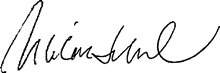
NESLİHAN TONBUL
Independent Member of the Board of Directors Mr. Sergio Duca’s Independence Statement is given below;
I hereby declare that I stand for serving as an ‘independent member’ on the Board of Directors of Tofaş Türk Otomobil Fabrikası A.Ş. (the Company) under the criteria set out in the Company’s Articles of Association and Corporate Governance Principles Communiqué no. II-17.1 released by the CMB, save for the criteria “being considered a resident of Turkey for the purposes of the Income Tax Law”. In this context, I hereby declare as follows:
a) Within the last five years, no executive employment relation that would give important duties and responsibilities has been established between myself, my spouse, my second degree relatives by blood or by marriage and (i) the Company and (ii) the subsidiaries of Company, and (iii) shareholders who control the management of Company or who have significant influence in Company and juridical persons controlled by these shareholders; and that I neither possess more than 5% of any and all capital or voting rights or privileged shares nor have significant commercial relations,
b) Within the last five years, I have not worked as an executive manager who would have important duties and responsibilities or have not been a member of the Board of Directors or been a shareholder (more than 5%) particularly in the companies that provide auditing, rating and consulting services for the Company (including tax audit, legal audit, internal audit), and in the companies that the Company purchase products and services from or sells products and services to within the framework of the agreements signed (during the timeframe of selling/purchasing of the products and services,
c) I do have the professional training, knowledge, and experience that will help me properly carry out the tasks and duties I will assume as a result of my independent membership in the Board of Directors,
ç) In accordance with the legislations, I will not be working fulltime in public institutions and organizations (except working as an academician at the university) after being elected as a member,
d) I do have the strong ethical standards, professional standing and experience that will help me positively contribute to the activities of Company and remain neutral in conflicts of interests between Company shareholders, and that will help me take decisions freely by taking the rights of the stakeholders into consideration,
e) I will be able to devote the sufficient time for the activities of the Company to an extent that will help me pursue the activities of the Company and fulfill the requirements of my tasks and duties,
f) I have not been a member of the Board of Directors of the Company for more than 6 years in total within the last decade,
g) I have not been an independent member of the Board of Directors in more than three of the companies controlled by the Company or by the shareholders who control the management of the Company and in more than five of the publicly traded companies in total,
ğ) I have not been registered and announced on behalf of the juridical person elected as member of the Board of Directors,
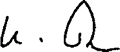
SERGIO DUCA
Summary information about the members of our Company’s Board of Directors and their positions as of the end of the reporting period is as follows:
NAME SURNAME |
POSITION |
CURRENT POSITIONS HELD OUTSIDE THE PARTNERSHIP |
INDEPENDENT/NON-INDEPENDENT |
COMMITTEES AND POSITION |
ÖMER MEHMET KOÇ |
Chairman |
Chairman of the Board of Directors in Koç Holding A.Ş. |
Non-independent |
None |
PIETRO GORLIER |
Vice Chairman |
Chairman of the Board of Directors in Fiat Industrial S.p.A & Chairman of the Board of Directors and CEO in Chrysler Group (FCA Group) |
Non-independent |
None |
CENGİZ EROLDU |
Member & CEO |
None |
Non-independent |
None |
TEMEL KAMİL ATAY |
Member |
Member of the Board of Directors in Koç Holding A.Ş. |
Non-independent |
None |
LEVENT ÇAKIROĞLU |
Member |
CEO of Koç Holding A.Ş. |
Non-independent |
None |
DAVIDE MELE |
Member |
CEO of Fiat Group S.p.A. EMEA & Chairman of the Business Development in Fiat |
Non-independent |
Corporate Governance Committee - Member |
İSMAİL CENK ÇİMEN |
Member |
Chairman of Koç Holding A.Ş. Automotive Group |
Non-independent |
Corporate Governance Committee – Member Risk Early Detection and Management Committee Member |
GIORGIO FOSSATI |
Member |
General Counsel for Fiat Chrysler Automobiles N.V. ;General Counsel for FCA EMEA |
Non-independent |
Risk Early Detection and Management Committee - Member |
NESLİHAN TONBUL |
Independent Member |
Member of the Board of Directors at Turcas Petrol, independent member of the Board of Directors at Vakıfbank International (Vienna), Advisor at New Zealand Trade and Enterprise, Senior Advisor at Cambridge Family Enterprise Group’ (USA). |
Independent |
Audit Committee - Chairman & Risk Early Detection and Management Committee - Chairman – & Corporate Governance Committee - - Member |
SERGIO DUCA |
Independent Member |
Chairman of the Board of Statutory Auditors at Enel S.P.A |
Independent |
Corporate Governance Committee - Chairman & Audit Committee - Member & Risk Early Detection and Management Committee - Member |
Curriculum vitae of current Board Members and Company CEO are included in the relevant section of the Annual Report.
We believe that diversity of knowhow, experience and point of view in our Board of Directors will have positive impacts on the Company activities and will enable the Board of Directors to work effectively. Furthermore; Corporate Governance Principle n.4.3.9 is evaluated within this scope. Our evaluations continue to set a target ratio and policy for female Members of the Board of Directors who also serve as an instrument for representing different ideas. One woman member was serving on our Board of Directors as at the end of the reporting period.
5.2. Functioning of the Board of Directors
Titles or agenda items regarding Resolutions of the Board of directors are prepared and issued periodically and as necessary. The number of the meetings of the Board may vary depending on emerging needs.
The Board of Directors has made 24 decisions in 2018 and the minutes of meetings regarding the decisions are duly registered. Board of Director meetings are called and convened whenever Company business requires it.
The relevant unit coordinates the meeting agenda, minutes, and board resolution records. When there is a dispute regarding a board resolution, the relevant case, along with its justifications, is recorded. Board resolutions also should contain relevant inquiries and responses in this regard. Board decisions are made by attendance and positive vote of absolute majority of members (within the scope of Article 10 of the Articles of Association). Requirements set forth by Corporate Governance Principles by CMB are reserved.
No weighted votes or vetoing rights are granted as per the TCC. Articles 10 and 11 of the Articles of Association govern the election, formation, decision quorum and term of office of the Board of Directors, the distribution of tasks in the Board of Directors, representation and delegation of management. As mentioned above, all Board of Directors decisions are passed by the attendance and affirmative votes of the absolute majority of all members. However, attendance and affirmative votes of at least two non-independent Board members representing Group A shares and of at least two non-independent Board members representing Group D shares are required for achieving this quorum as per Article 10 of the Articles of Association. The provision of Article 15 of the Articles of Association is reserved with respect to decisions requiring the attendance and affirmative vote of independent members.
Article 11 of the Company Articles of Association regulates “Division of Tasks, Representation and Transfer of Management for the Board of Directors”. In addition, other items the Articles of Association also cover the required issues. The Company management is specified pursuant to Turkish Trade Code and the relevant regulations mainly based on representation and binding of the company, and the authorities are exercised pursuant to legal requirements. Duties and responsibilities of members of the Board of Directors and the executives of the Company are included in the legal regulations, capital market regulations and the Articles of Association.
The Corporate Governance Committee carries out the procedures related to nominating candidates to the seats on the Board of Directors, and to election and appointment of the nominees. There is an “Officers’ Liability Insurance” policy for our Company’s Board of Directors members and senior executives separately for Koç Holding and FCA Italy S.p.A. representing Group A and Group B.
While overseeing the Company’s operations, the Board of Directors assesses whether a conflict of interest is likely to arise, and the outcomes of such conflict, if applicable, and passes the necessary decisions to the best interests of the Company. Moreover, The Board of Directors ensures regulatory compliance in related party transactions, considers possible misconduct risks, and meticulously addresses related party transactions.
5.3. Number, Structure and Independency of Committees Formed under the Board of Directors
Pursuant to the Article 11 of the Articles of Association, an Executive Committee consisting of 4 persons -2 Group A and Group D shareholders – can be established if and when deemed necessary. The Committee can be established among the members of the Board of Directors in order to carry out the necessary actions between two Board meetings.
Pursuant to the relevant CMB Communiqué, an Audit Committee has been set up and pursuing activities since 2003; the Committee is responsible for presenting its opinion and proposal regarding the financial results to the Board of Directors based on available information derived by following up financial matters, reviewing periodical financial statements and notes thereto, carrying out the necessary activities as defined by the Corporate Governance Principles and reviewing the Independent Auditor’s Report. The Audit Committee is also charged with monitoring the internal audit process and it is constituted by independent Board members pursuant to the CMB Communiqué No: II-17.1. In 2012, the operating principles of the Audit Committee were revised and publicly disclosed.
The Audit Committee has been reconstituted by the Board of Directors decision no. 2018/11 dated 16 March 2018. As at the end of the reporting period, Ms. Neslihan Tonbul (Chairman – independent Board member) and Mr. Sergio Duca (Member - independent Board member) were serving on the Committee.
Furthermore, Corporate Governance Committee under Corporate Governance Principles been established in 2008. Corporate Governance Committee has started its activities in accordance with the Corporate Governance Principles, regulations issued by CMB as per the related legislation and the activities of the Company regarding Corporate Governance Principles. Compliance of the Company with Corporate Governance Principles is followed up by the Board of Directors, rules of procedures of Corporate Governance Committee have been revised in 2012 and disclosed.
The Corporate Governance Committee has been reconstituted by the Board of Directors Decision no. 2018/11 dated 16 March 2018. As per the said decision, the Committee was formed of Mr. Sergio Duca (Chairman – independent Board member), Ms. Neslihan Tonbul (Member – independent Board member), Mr. İsmail Cenk Çimen (Member – Board member), Mr. Alfredo Altavilla (Member – Board member) and Mr. Stefano Reganzani (CFO). During the reporting period, Mr. Fabrizio Renzi has been appointed as Chief Financial Officer (CFO) to succeed Mr. Stefano Reganzani who left his position as Chief Financial Officer (CFO) as of 30 March 2018 due to being appointed to another position within the FCA Group. Mr. Fabrizio Renzi has been assigned as Corporate Governance Committee member to replace Mr. Stefano Reganzani who was a at the same serving as a member of the Corporate Governance Committee. It was resolved to appoint Mr. Davide Mele from amongst the nominations made by Group D Shareholders to the member seat on the Board of Directors, which was vacated due to the resignation of Mr. Alfredo Altavilla as of 2 November 2018, subject to the approval of the next General Meeting to be convened and to complete the term of office of his predecessor subject to the said approval. It was also resolved to appoint Mr. Mele as a member of the Corporate Governance Committee. Accordingly, as at the end of the reporting period, the Corporate Governance Committee was formed of Mr. Sergio Duca (Chairman – independent Board member), Ms. Neslihan Tonbul (Member- independent Board member), Mr. İsmail Cenk Çimen (Member- Board member), Mr. Davide Mele (Member – Board member) and Mr. Fabrizio Renzi (CFO).
As per the governing provisions of the new Turkish Commercial Code effective as of 01.07.2012, Early Detection of Risk and Risk Management Committee has been established with the purposes of efficiency of Committees established under the Board of Directors, early detection of risks which may jeopardize the Company’s existence, improvement and progression, implementation of measures related with such risks and risk management and implementation and follow-up of Company’s internal control, internal audit and risk management activities and its rules of procedures have been set as of 2012.
Early Detection of Risk and Risk Management Committee was restructured by the Board of Directors decision no. 2018/11 dated 16 March 2018. As at the end of the reporting period, the Committee was formed of Ms. Neslihan Tonbul (Chairman – Independent Board Member), Mr. Sergio Duca (Member – Independent Board Member), Mr. İsmail Cenk Çimen (Member – Board Member) and Mr. Giorgio Fossati (Member - Board Member).
Board members are assigned to committees based on their knowledge and experience levels and in accordance with applicable regulations. Some board members serve on multiple committees. Board members, who serve on multiple committees, are responsible for ensuring communication and cooperation between committees that oversee areas related to each other. The Chairmen of these Committees should be selected among Independent Board Members as per the mentioned Communiqué on Corporate Governance Principles. Both Independent Board Members are members of each committee. Mr. İsmail Cenk Çimen, member of Corporate Governance Committee is also a member of Early Detection of Risk and Risk Management Committee. Board Member is a member of both Committees for their coordination.
Audit Committee, Corporate Governance Committee and Early Detection of Risk and Risk Management Committee hold periodic and other meetings as required by the legislation. In accordance with the rules of procedures, meetings with a certain agenda can be held other than periodic meetings. In this context, Audit Committee has held 7 meetings, Early Detection of Risk and Risk Management Committee has held 6 meetings, Corporate Governance Committee has held 6 meetings in 2018.
Board of Directors is informed about the committee roles, its activities and the reports. When required, experts and other managers who are not Committee members but related with the agenda can be invited to the Committee. Furthermore, task groups consisting of people with required experience and information can be formed. The committees act in line with their responsibilities and submit their comments and recommendations to the Board. Final decisions are made by the Board. The Board of Directors expressed its positive opinion regarding the efficiency of the Committees.
5.4. Risk Management and Internal Control Mechanism
A risk management is envisaged and internal control organization is established depending on financial and administrative activities of the company and the functioning and effectiveness of the internal auditing shall be followed up according to capital market regulations and rules.
Board of Directors is responsible for proper functioning of internal control system and internal audit and CEO will make the coordination on behalf of the Board of Directors. Early Detection of Risk and Risk Management Committee as well as the Audit Committee will follow-up proper functioning of internal control system, internal audit and risk management and submit the results to the Board of Directors.
Thus, corporate risk management and internal control systems were established by the Board of Directors. The activities of these processes and systems are coordinated within the Committees. Internal Control Systems and Internal Audit Process are primarily monitored and pursued in the Audit Committee. Furthermore; the effectiveness of these systems are evaluated by the Early Risk Detection and Risk Management Committee together with the corporate risk management process.
In line with the Risk Management Policy, Company’s risk management is organized in conformity with the legal regulations and legislation to make reporting to the Board of Directors. Within this framework the policy is based on the following principles; “protecting company assets and values”, “ensuring commercial, financial and operational confidence” and “ensuring sustainability in corporate risk management”. In addition to this, Company Management is financially, commercially, operationally and organizationally responsible for taking and implementing all measures necessary for corporate risk management and internal audit activities.
As of the end of 2018, it has been assessed that proactive measures are taken against financial and operational risks and predictable potential risks through the Company’s internal control system, internal audit activities and corporate risk management and that the Company meets the legislative requirements regarding internal control, internal audit and risk management. After reviews, it has been stated that no important problems were observed on the effectiveness of internal controls for providing effective, secure and uninterrupted provision of Company’s activities and services; integrity, consistency, timely availability and reliability of data provided by the Company’s accounting and financial reporting system; effectiveness, efficiency and adequateness of internal controls aimed at providing security and the running of internal control, internal audit and risk management system regarding the preparation of consolidated financial tables in accordance with the applicable legislation and corporate risk management and the internal control system function well and the related records are kept.
The Internal Audit Department directly reports to the Company’s CEO who at the same time is a Member of the Board of Directors. This department examines processes and prepares reports regarding current and potential risks and proposes solutions. Predictable risks attached to the activities will be evaluated, information flow will be followed up by the Board Member and CEO and the results will be evaluated by the Audit Committee and Early Detection of Risk and Risk Management Committee and submitted to the Board of Directors.
Within this framework, the Board of Directors carries out risk management activities via the Early Detection of Risk and Risk Management Committee, as stated in related sections hereinabove. The Early Detection of Risk and Risk Management Committee reviews the effectiveness of the risk management systems, and reports its activities and assessments to the Board of Directors. The Committee’s activities are covered in the section titled “Activities of the Early Detection of Risk and Risk Management Committee” of this Annual Report. The Annual Report also includes the Auditor’s Report containing the independent auditor’s assessment and clearance about the topic.
5.5. Strategic Targets of the Company
Company’s strategic targets are set, approved, and implemented by the Board of Directors. Board of Directors makes assessments by periodically reviewing the level of achieving Company’s targets, and activities and previous performance of the Company. In this context, the Board of Directors ensures that necessary measures are taken in a manner most appropriate to Company’s risk, growth and revenue balance in terms of strategic decisions while it administers the Company by overseeing the Company interests.
As per the strategic priorities and objectives, the mission, vision and values of the Company have been formulated and published and renewed upon revisions in line with the improvements. Board of Directors audits the management and performance of the Company within the scope of providing necessary resources and risk management by identifying Company’s strategic targets.
Vision, mission and values along with designation and implementation of Company’s strategic objectives will be completed by the Company top-level management, submitted to the Board of Directors and followed-up. Strategic decisions of our Company were implemented in 2018 according to their priorities. Based on the strategic targets, the Board of Directors reviews and evaluates previous year’s performance, compares the results with targets and determines the upcoming year objectives proposed by the senior management.
Board of Directors will coordinate the Company Top-Level Management in designation of Company’s strategic objectives, actively participate in approval and implementation processes, periodically review the level of achievement of objectives, activities and performance of the Company and evaluate the functioning, efficiency and outcomes of the related system.
In accordance with the vision and methods offered by the Board of Directors and the legislation, Company Top-Level Management will use its maximum efforts to ensure effective management of the Company and periodically inform the Board of Directors and the related Board Committees as per the regulations and the legislation based on Directorates on behalf of the CEO and all stakeholders.
The Board of Directors exercises the necessary degree of responsibility with respect to the sustainability of these strategic efforts, as well as to enhancing their efficiency.
5.6. Financial Rights
Board of Directors is responsible for Company’s determined and publicly announced operational and financial performance targets. Furthermore; remuneration principles for the Members of the Board of Directors and executives who have administrative responsibilities were printed and presented to the shareholders’ information with a separate agenda item at the General Assembly.
Our Company’s “Remuneration Policy for the Members of the Board of Directors and Executive Managers” – that includes all their rights, benefits and remuneration of the Members of the Board of Directors and executive managers as well as the criteria and remuneration principles used in determining these rights, benefits and remuneration – was presented to our shareholders’ review on our corporate website and in the Annual Report and also with the “Informative Document” issued three weeks prior to our Ordinary General Assembly held on 15 March 2018. Subsequently, the policy was put into practice after the General Assembly. No revisions were made to the said policy during 2018.
The policy, which has been publicly disclosed on the corporate website and in the Annual Report, has been included in the agenda of the Ordinary General Assembly meeting that will be held to address 2018 activities, the date of which will be released by the Board of Directors once it is definitively set. The policy will be laid down for the opinions of shareholders in the General Assembly Meeting.
The total amount of payments made and benefits provided to Members of the Board of Directors and Executive Managers within the framework of the Remuneration Policy, are evaluated every year by the Corporate Governance Committee and Board of Directors. In our financial statements’ footnotes, the payments made and benefits provided to the Members of the Board of Directors and executive managers are classified together and publicly announced in parallel to general practices.
Furthermore, the Company does not perform any transactions that may create conflicts of interest and does not lend money, extend credit, or does not give surety to any of the members of the Board of Directors or executive managers who have administrative responsibilities.
In the reporting period and as of 2018, no loans were granted to the members of the Board or to the senior managers and no credit was utilized by them; none of them received benefits through third–persons and moreover, no indemnities or similar were provided in their favor.